

अविकल उत्तराखण्ड
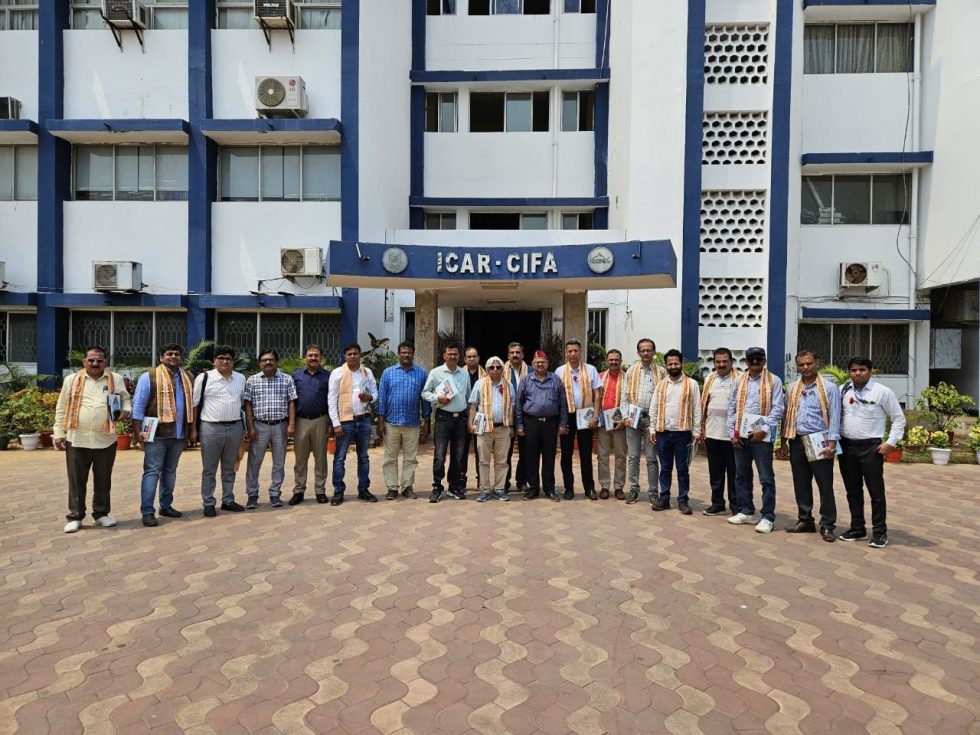
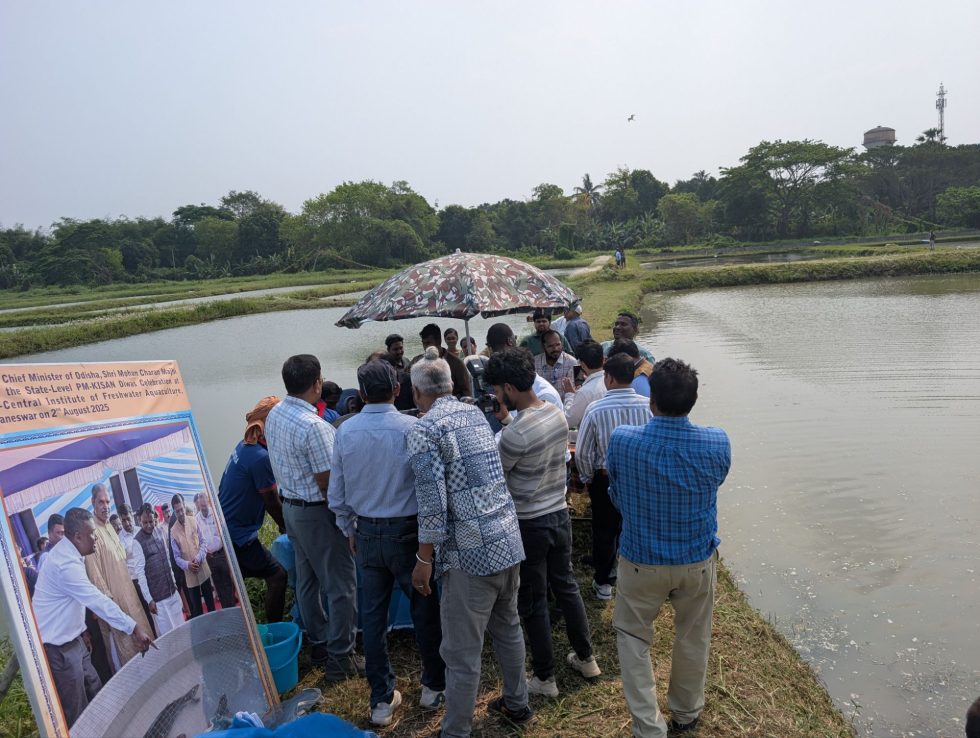
भुवनेश्वर (ओडिशा) । भुवनेश्वर से लगभग 35 किलोमीटर दूर स्थित CIFA परिसर में पत्रकारों ने आधुनिक मत्स्य पालन पद्धतियों का प्रत्यक्ष अवलोकन किया। वैज्ञानिकों ने बताया कि किस प्रकार मीठे जलमें अधिक उत्पादन और बेहतर गुणवत्ता की मछलियों का पालन किया जा रहा है। यह मॉडल ओडिशा को देश के अग्रणी मत्स्य उत्पादक राज्यों में स्थापित करने में महत्वपूर्ण भूमिका निभा रहा है।
संस्थान के निदेशक डॉ प्रमोद कुमार साहू ने बताया कि CIFA देश में ताजे पानी की मत्स्य पालन तकनीकों के विकास का प्रमुख केंद्र है। उन्होंने कहा कि संस्थान द्वारा विकसित तकनीकें कम लागत में अधिक उत्पादन देने में सक्षम हैं और इन्हें देश के विभिन्न भौगोलिक क्षेत्रों में अपनाया जा सकता है।
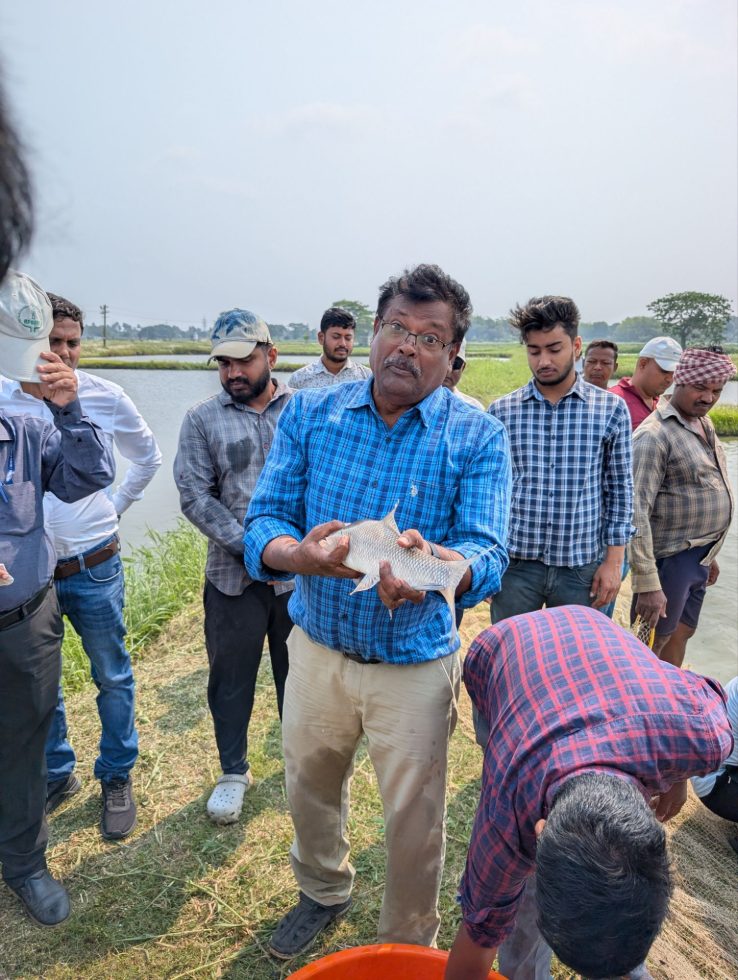
इस दौरान एक्वाकल्चर प्रोडक्शन एंड एनवायरमेंट के वैज्ञानिक डॉ प्रताप चन्द्र दास ने विशेष रूप से “चीतल मछली” के बारे में जानकारी दी।
उन्होंने बताया कि यह मछली अत्यंत स्वादिष्ट होती है और स्थानीय बाजार में इसकी कीमत लगभग ₹1600 प्रति किलोग्राम तक पहुंचती है।
चीतल मछली आमतौर पर 4 से 5 किलोग्राम तक की होती है और इसमें कांटे अधिक होते हैं, फिर भी ओडिशा के लोग इसे बड़े चाव से खाते हैं। यह उच्च मूल्य वाली मछली राज्य के मत्स्य व्यवसाय को आर्थिक रूप से सशक्त बनाने में महत्वपूर्ण योगदान दे रही है।
फिश न्यूट्रीशन से जुड़े पहलुओं पर Shiv Shankar Giri ने जानकारी दी कि संतुलित आहार और वैज्ञानिक प्रबंधन से मछलियों की गुणवत्ता, स्वाद और उत्पादन तीनों को बेहतर बनाया जा सकता है। उन्होंने बताया कि CIFA द्वारा विकसित न्यूट्रीशन मॉडल किसानों के लिए बेहद उपयोगी साबित हो रहे हैं।
अध्ययन के दौरान पत्रकारों ने “ब्लू इकोनॉमी” और भारत की वैश्विक मत्स्य उत्पादन क्षमता को लेकर महत्वपूर्ण सवाल भी उठाए। वैज्ञानिकों ने बताया कि यदि आधुनिक तकनीकों और प्रशिक्षण को व्यापक स्तर पर लागू किया जाए, तो भारत वैश्विक स्तर पर मछली उत्पादन और निर्यात में अग्रणी देशों में शामिल हो सकता है।
इस अध्ययन दौरे का एक महत्वपूर्ण पहलू उत्तराखंड और ओडिशा के मत्स्य पालन मॉडल का तुलनात्मक अध्ययन भी रहा। जहां ओडिशा में बड़े पैमाने पर मत्स्य पालन किया जाता है और यह उत्पादन में अग्रणी है, वहीं उत्तराखंड में ठंडे पानी की उच्च मूल्य वाली मछलियों, विशेषकर ट्राउट, के माध्यम से गुणवत्ता आधारित मत्स्य पालन तेजी से विकसित हो रहा है।
अंततः यह अध्ययन दौरा पत्रकारों के लिए एक समृद्ध अनुभव साबित हुआ, जिसने न केवल उन्हें आधुनिक मत्स्य पालन तकनीकों से अवगत कराया, बल्कि यह भी स्पष्ट किया कि भारत में “ब्लू इकोनॉमी” के क्षेत्र में अपार संभावनाएं हैं। CIFA जैसे संस्थान इस दिशा में देश को आत्मनिर्भर और वैश्विक स्तर पर प्रतिस्पर्धी बनाने में महत्वपूर्ण भूमिका निभा रहे हैं।
ICAR–Central Institute of Freshwater Aquaculture (CIFA) में उत्तराखंड के वरिष्ठ पत्रकारों के अध्ययन दल का दौरा ज्ञानवर्धक और अत्यंत महत्वपूर्ण रहा। यह अध्ययन दौरा भारत सरकार के सूचना एवं प्रसारण मंत्रालय के अंतर्गत Press Information Bureau (PIB) देहरादून द्वारा आयोजित किया गया।
दल का नेतृत्व असिस्टेंट डायरेक्टर संजीव सुन्द्रियाल ने किया, जबकि PIB ओडिशा के असिस्टेंट डायरेक्टर मर्मेंद्र कुमार जेना भी उपस्थित रहे।
Uttarakhand Journalists Visit CIFA, Bhubaneswar; Gain Insights into Blue Economy and Modern Aquaculture
As part of a five-day press tour organized by the Press Information Bureau (PIB), Dehradun, Ministry of Information &Broadcasting a delegation of 13 senior journalists from Uttarakhand visited the ICAR–Central Institute of Freshwater Aquaculture (CIFA) in Bhubaneswar. During the visit, the journalists gained insights into modern freshwater aquaculture technologies, research initiatives, and emerging opportunities in the Blue Economy sector.
The delegation is led by PIB Dehradun Assistant Director Sanjeev Sundriyal, while PIB Bhubaneswar Assistant Director Mahendra Prasad Jena was also present during the visit. CIFA campus provided the visiting journalists an opportunity to observe advanced aquaculture systems and modern fish farming techniques. Scientists explained how controlled aquaculture environments and improved management practices help enhance both the productivity and quality of fish. These technologies have played a significant role in establishing Odisha as one of the leading fish-producing states in India.
Director of CIFA, Dr. Pramoda Kumar Sahoo informed the delegation that the institute serves as a premier national centre for the development and dissemination of freshwater aquaculture technologies. He emphasized that the technologies developed by CIFA enable higher production at lower costs and can be successfully adopted across different geographical regions of the country.
During the interaction, scientist Dr. Pratap Chandra Das, associated with Aquaculture Production and Environment, briefed the journalists about the high-value Chital fish. He noted that the fish is highly valued for its taste and nutritional quality and can fetch prices of around ₹1600 per kilogram in local markets. Typically weighing between 4 and 5 kilograms, the fish is widely preferred by consumers in Odisha.
Scientist Shiv Shankar Giri, working in the field of fish nutrition, highlighted the importance of balanced feed and scientific management practices. He explained that proper nutrition management significantly improves fish quality, taste, and production efficiency.
During the study visit, the journalists also engaged in discussions with scientists on India’s potential in the Blue Economy and the country’s prospects in global fish production and exports. Experts noted that wider adoption of modern technologies, training, and research-based aquaculture models could position India among the leading fish-producing and exporting nations in the world.
The visit also enabled a comparative understanding of aquaculture models in Uttarakhand and Odisha. While Odisha has achieved large-scale production through warm-water aquaculture systems, Uttarakhand is rapidly developing quality-focused aquaculture through high-value cold-water species, particularly trout.
The study tour proved to be a highly informative experience for the visiting journalists, providing them with a deeper understanding of modern aquaculture technologies and the growing potential of the Blue Economy in India. Institutions like CIFA are playing a crucial role in strengthening the country’s self-reliance and enhancing its competitiveness in the global fisheries sector.