

रिवर्स माइग्रेशन और आधुनिक कृषि से बदल रही उत्तराखंड के सुदूर जनपद बागेश्वर की तस्वीर
अविकल उत्तराखंड
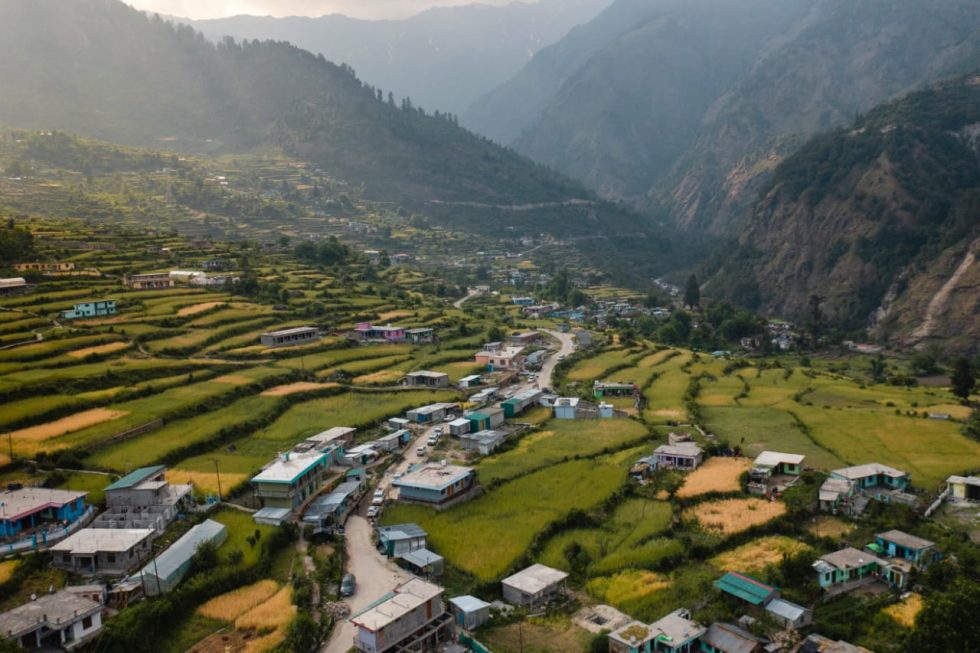
बागेश्वर। उत्तराखंड के पर्वतीय क्षेत्रों में लंबे समय से पलायन एक बड़ी चुनौती रहा है, लेकिन बागेश्वर जनपद में अब यह प्रवृत्ति सकारात्मक दिशा में बदलती दिखाई दे रही है। “रिवर्स माइग्रेशन” के माध्यम से युवा और किसान अपने गांवों की ओर लौटकर आधुनिक तकनीकों के साथ आत्मनिर्भरता की नई मिसाल पेश कर रहे हैं। जनपद में विभिन्न योजनाओं से जुड़े सैकड़ों युवाओं ने स्वरोजगार के क्षेत्र में कदम बढ़ाए हैं, जिससे स्थानीय अर्थव्यवस्था को मजबूती मिल रही है।
जिलाधिकारी आकांक्षा कोंड़े के लगातार प्रयासों के चलते जनपद में किसानों को आधुनिक कृषि तकनीकों, विभागीय योजनाओं एवं प्रशिक्षण से जोड़ने का कार्य प्रभावी ढंग से किया गया है। उद्यान, कृषि एवं मत्स्य विभाग के समन्वित प्रयासों से किसानों को 80 से 90 प्रतिशत तक अनुदान पर पॉलीहाउस, आधुनिक उपकरण एवं तकनीकी मार्गदर्शन उपलब्ध कराया जा रहा है। इसके परिणामस्वरूप सलीगांव के मनोज कोरंगा जैसे युवाओं ने एकीकृत कृषि प्रणाली अपनाकर 3 पॉलीहाउस, 3 मत्स्य तालाब एवं खाद्य प्रसंस्करण इकाई स्थापित की है, जिससे वे प्रतिवर्ष 3 से 4 लाख रुपये की आय अर्जित कर रहे हैं तथा 4-5 स्थानीय लोगों को रोजगार भी प्रदान कर रहे हैं।
इसी क्रम में गरुड़ ब्लॉक के चंद्रशेखर पांडे द्वारा लगभग 2 हेक्टेयर भूमि पर जैविक एवं औषधीय खेती करते हुए तुलसी, लेमनग्रास, अश्वगंधा एवं रोजमेरी जैसे उत्पाद उगाए जा रहे हैं। ‘हिम नेचुरल’ ब्रांड के माध्यम से वे इनका विपणन कर 7 से 8 लाख रुपये की वार्षिक आय अर्जित कर रहे हैं। वहीं किसान दान सिंह द्वारा ‘आत्मा योजना’ एवं ‘आरकेवीवाई’ के अंतर्गत प्रशिक्षण प्राप्त कर वर्मी कंपोस्ट, लाइन बुवाई एवं आधुनिक कृषि यंत्रों का उपयोग करते हुए उत्पादन में 30-40 प्रतिशत तक वृद्धि तथा लागत में उल्लेखनीय कमी लाई गई है।
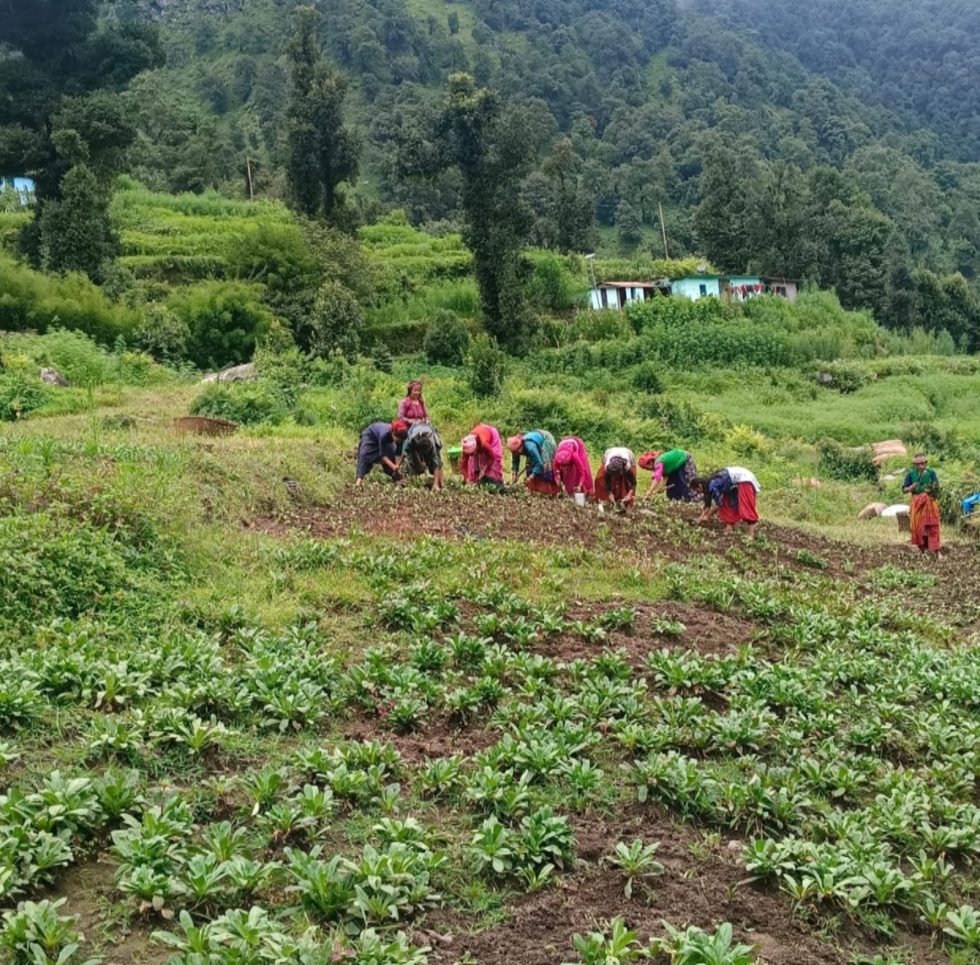
महिला सशक्तिकरण के क्षेत्र में भी सकारात्मक परिवर्तन देखने को मिल रहा है। मन्यूड़ा गांव की हंसी शाह ने 38 नाली भूमि पर वैज्ञानिक खेती को अपनाते हुए मोटे अनाज एवं सब्जियों का उत्पादन शुरू किया है। उन्हें कृषि विभाग द्वारा 80 प्रतिशत अनुदान पर उपकरण उपलब्ध कराए गए हैं, जिससे उनकी वार्षिक आय 4 से 5 लाख रुपये तक पहुंच गई है। वर्तमान में वे 40 से अधिक महिलाओं को प्रशिक्षण एवं प्रेरणा देकर उन्हें भी स्वरोजगार से जोड़ रही हैं।
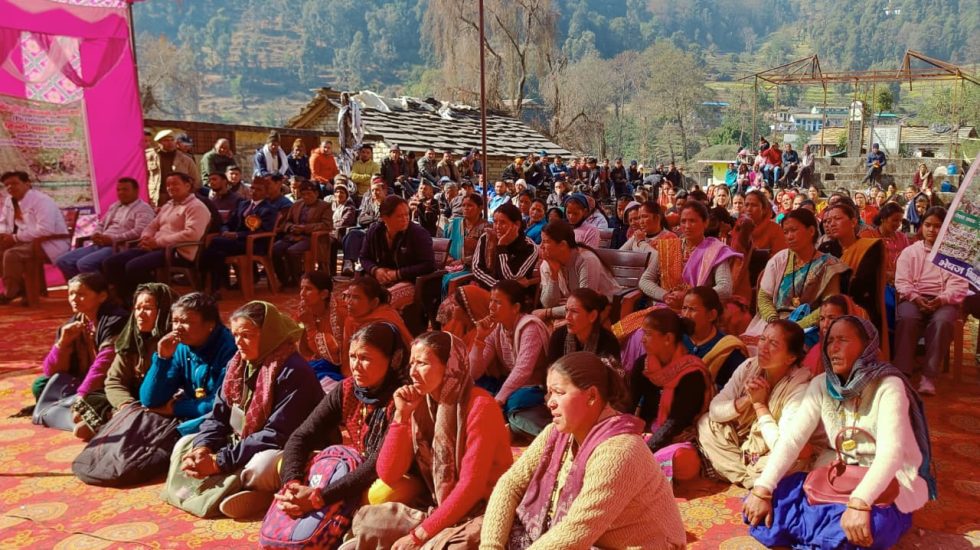
जनपद में कीवी उत्पादन भी तेजी से उभरता हुआ क्षेत्र बनकर सामने आया है। वर्ष 2022-23 से पूर्व जहां कीवी का क्षेत्रफल मात्र 5-8 हेक्टेयर था, वह अब बढ़कर लगभग 80 हेक्टेयर हो गया है। वर्तमान में 15 हेक्टेयर क्षेत्र में फल उत्पादन हो रहा है, जिससे कुल उत्पादन 100-110 क्विंटल से बढ़कर 1100 क्विंटल से अधिक हो गया है। इस क्षेत्र से जुड़े किसानों की संख्या 40-50 से बढ़कर 350 से अधिक हो चुकी है, जिससे कुल आय 13-14 लाख रुपये से बढ़कर 1.5 से 1.7 करोड़ रुपये तक पहुंच गई है। इसके साथ ही ‘कुटकी’ जैसी जड़ी-बूटी की खेती 46 हेक्टेयर क्षेत्र में 350 महिलाओं द्वारा की जा रही है, जिससे लगभग 70 लाख रुपये की आय अर्जित हुई है।
Bageshwar, (Information Department)

Changing face of remote Bageshwar district through reverse migration and modern agriculture
Hope returns to the hills: modern farming helping curb migration in Bageshwar
Migration has long been a major challenge in the hilly regions of Uttarakhand, but in Bageshwar district, the trend is now showing a positive shift. Through “reverse migration,” youth and farmers are returning to their villages and setting new examples of self-reliance by adopting modern technologies. Hundreds of youth associated with various government schemes have taken up self-employment, strengthening the local economy.
Due to the continuous efforts of District Magistrate Akanksha Konde, farmers in the district have been effectively linked with modern agricultural techniques, departmental schemes, and training programs. Through coordinated efforts of the horticulture, agriculture, and fisheries departments, farmers are being provided polyhouses, modern equipment, and technical guidance with subsidies ranging from 80 to 90 percent. As a result, youth like Manoj Koranga of Saligaon have adopted an Integrated Farming System, establishing 3 polyhouses, 3 fish ponds, and a food processing unit. He is currently earning an annual income of ₹3 to 4 lakh and has also generated employment for 4–5 local people.
Similarly, Chandrashekhar Pandey from Garud block has taken up organic and medicinal farming on approximately 2 hectares of land, cultivating products like tulsi, lemongrass, ashwagandha, and rosemary. Through his brand “Him Natural,” he is marketing these products and earning an annual income of ₹7 to 8 lakh. Farmer Dan Singh, after receiving training under ATMA and RKVY schemes, has adopted vermicomposting, line sowing, and modern farm machinery, resulting in a 30–40 percent increase in productivity and a significant reduction in costs.
Significant progress is also being seen in women empowerment. Hansi Shah of Manyuda village has adopted scientific farming on 38 nali of land, producing millets and vegetables. With 80 percent subsidy support for modern equipment from the agriculture department, her annual income has reached ₹4 to 5 lakh. She is also motivating and training more than 40 other women to take up agriculture-based livelihoods.
Kiwi cultivation has also emerged as a rapidly growing sector in the district. Before 2022–23, the area under kiwi cultivation was limited to 5–8 hectares, which has now expanded to around 80 hectares. Currently, 15 hectares are fruit-bearing, and production has increased from 100–110 quintals to over 1100 quintals. The number of farmers involved has risen from 40–50 to more than 350, with total income increasing from ₹13–14 lakh to approximately ₹1.5 to ₹1.7 crore. Additionally, cultivation of medicinal herbs like “Kutki” is being carried out on 46 hectares by around 350 women, generating an income of nearly ₹70 lakh.